


CULM / SOLID COLOUR STUDY
Quiet colour.
Clear form.
A shirt does not need a print to have character. Cloth, proportion and tone can do the work.


03 / THE PALETTE
A wardrobe built in tones, not trends.
Oat · Flax · Sage · Stalk · Char

04 / WEAR
Quiet by design.
Less visual noise. More attention to the garment itself.

05 / BEFORE THE SHIRT
The material question comes first.
Fibre, yarn, weave, weight and finish shape what a shirt can become.
Materials & making → Editorial visual study only. Fibre, origin, composition and making details are product facts only when verified on the relevant product page.
CULM / ONE ORDER · ONE TREE
One order. One tree.
For every completed CULM order, CULM commits to fund one tree planting. That planting is dedicated in the name on the order and becomes part of the CULM Forest record.
01Order completedA finished order begins the record.
02One tree fundedCULM allocates funding for one planting.
03Dedicated in your nameThe name on the order becomes the dedication.
04Evidence recordedPartner and planting evidence are published when verified.
Restoration, not an offset. A tree is one practical restoration action. CULM does not present a planting as cancelling the footprint of an order or as a guaranteed climate outcome.
CULM FOREST / PLANTING RECORD
One completed order / one tree commitment
Planting partner and verification details will be published before completed planting is claimed.
CULM / HOW WE THINK
More material. Less noise.
A garment becomes more useful when you can understand what it is, how it is built and how to live with it. CULM makes that information part of the design.
Natural fibre is a starting point, not a sustainability score. Fibre, blend, construction, finishing, care and verified provenance all matter, and unknown information stays unknown until it can be documented.Begin with the cloth.
Fibre, yarn, weave, weight and finish come before styling language. The material sets the possibilities.
Design beyond the first look.
Proportion and quiet colour are chosen for combination and repetition, not for a single moment of novelty.
Say what is known.
Composition, process and provenance are useful only when they are specific. CULM separates documented facts from brand imagery.
The story continues in use.
Garment-specific care, thoughtful storage and repair where appropriate can help keep useful clothing in rotation.
THE MATERIAL READING ROOM
Know the fibre. Then read the cloth.
Three bast-fibre starting points, without a good-versus-bad ranking. The final garment still depends on yarn, blend, weave, finish and construction.
Open the CULM fibre guide →
01 / BAST FIBRE
Hemp
A plant-stem fibre. Its final hand can range from crisp and structured to softer, depending on preparation, yarn, blend, weave and finish.
Read the hemp guide → 02 / FLAXLinen
Linen is textile made from flax. The fibre name tells you the source; it does not by itself tell you the garment's weight, drape or durability.
Read the linen guide → 03 / BAST FIBRERamie
A stem fibre from the nettle family that can produce crisp, bright cloth. Blending and finishing can substantially change how it feels in clothing.
Read the ramie guide →CULM JOURNAL / LATEST
Read slowly.
Material guides, clothing questions and essays about a quieter wardrobe. The latest Journal entries appear here automatically.
View all Journal entries →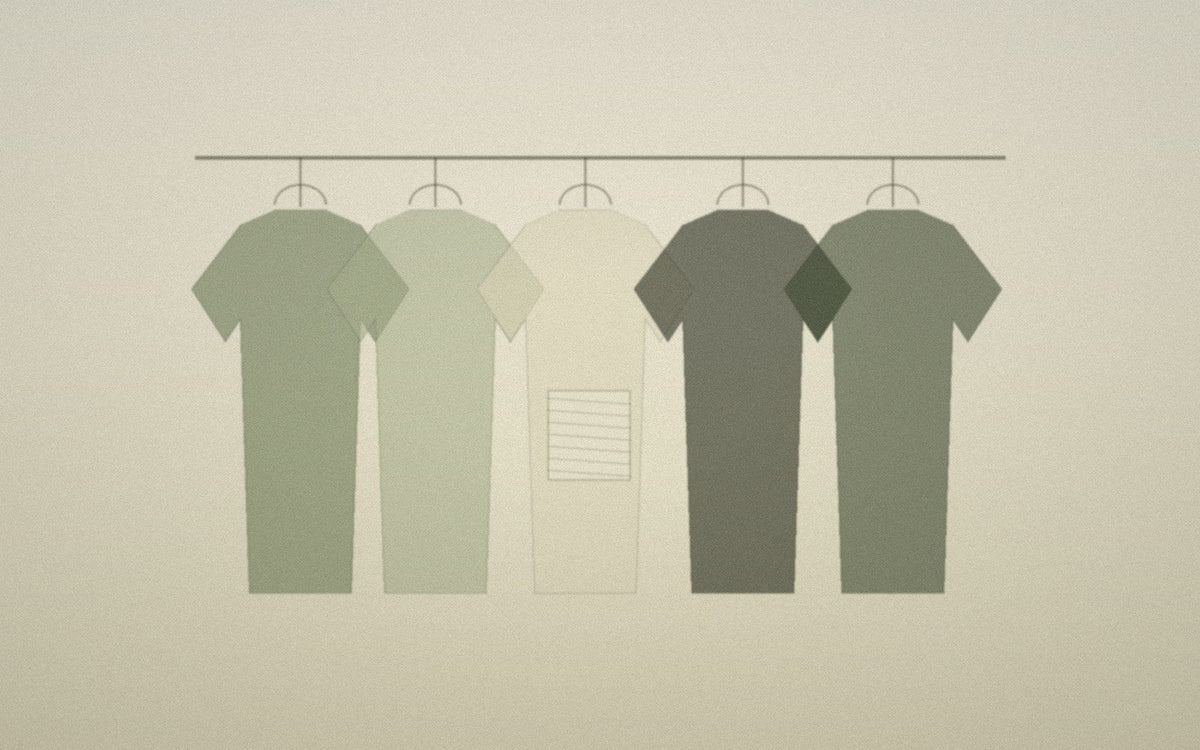
The Tenth Year
A quiet essay on judging clothing by long relevance—beyond the first wear, the first photograph and the first season.
Read entry →
What “Grown, Not Made” Means
CULM explains “grown, not made”: a reminder to begin the clothing conversation with fibre origin and material process before the label.
Read entry →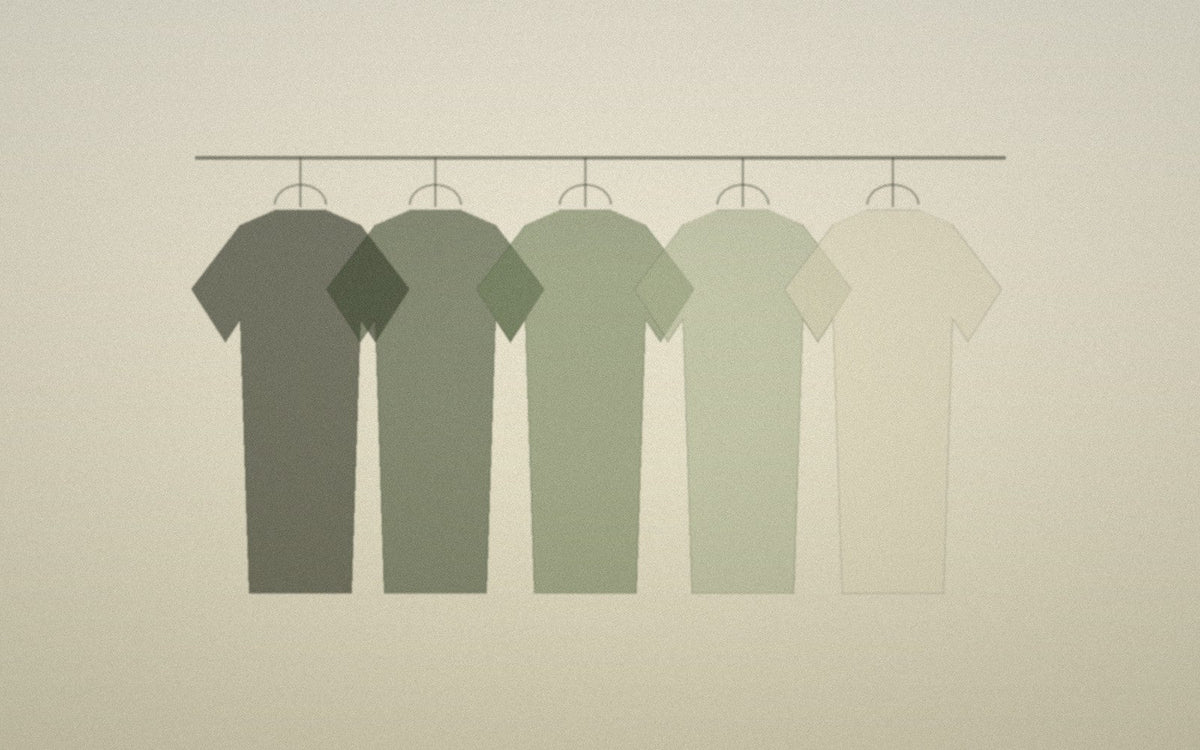
A Wardrobe Without a Season
What it means to build a wardrobe around repeated wear, useful layers and continuity instead of constant seasonal replacement.
Read entry →CULM / QUICK ANSWERS
Read the garment before you buy it.
What is CULM?
CULM is a clothing brand built around a small, deliberate wardrobe, with attention to natural fibres, material clarity, proportion, verified traceability where available and longer use.
About CULM →What does “grown, not made” mean?
It is a brand phrase that points back to the plant and fibre before manufacturing begins. It does not mean a garment is not manufactured, and it is not used as a shortcut for an environmental claim.
CULM standards →Does natural automatically mean sustainable?
No. Fibre source is only one part of a garment. Farming or feedstock, processing route, chemistry, energy, transport, construction, durability, care and end of life can all matter. CULM prefers specific information over a blanket label.
Natural vs synthetic fibres →How should a natural-fibre garment be cared for?
Start with the garment's own care label. Fibre, blend, dye, finishing and construction can change what washing, drying and ironing method is appropriate, so CULM avoids one universal care rule for every fabric.
Care & longevity →What does CULM mean by traceability?
Traceability means being able to connect a garment to specific information about its composition, batch, material route or making where that information has actually been recorded. Missing information is not filled with a marketing story.
Traceability →CULM INTELLIGENCE
Ask the material.
Use Ask CULM to turn the material archive and Journal into practical answers. It should explain what is documented, identify what is missing and avoid inventing product facts.
03 / Cloth study
Cloth has volume.
A shirt is architecture in cloth: surface, weight, fold and space around the body. The study remains lightweight until a real Shopify 3D product model is selected.
Procedural cloth study / lightweight 3D
cloth / volume / proportion
noun · botany
culm
/kʌlm/
The hollow, jointed stalk of a grass or hemp plant — the part that stands, carries the weight, and becomes fibre.
from latin culmus — stalk
the structure before the cloth


Register — SS26 — FIRST CUT
The eleven.
One mill run. Each piece numbered. When it closes, it closes.
01
Hemp Overshirt
hemp
— gsm
open
02
Field Trouser
hemp
— gsm
open
03
Retted Tee
hemp
— gsm
open
04
Stalk Knit
natural fibre
— gsm
open
05
Canvas Chore Coat
natural fibre
— gsm
open
06
Raw Selvedge Short
natural fibre
— gsm
open
Provenance / recorded against the number
Field, retting, mill, cut.
The origin is stated as a record, not a claim. Name the place and date for every stage.
01 / date
Field
Name the field
02 / date
Retting
Name the water / retting place
03 / date
Mill
Name the mill
04 / date
Cut
Name the cutting room
06 / The Material Archive
The Material Archive.
A private index of fibre, process and garment life.
CULM begins with material specificity. Hemp, banana and bamboo are not used as environmental shorthand; each fibre is considered for how it is grown or sourced, how it becomes yarn, how it behaves as cloth and what evidence can follow it into the finished garment.
Material thesis
The CULM USP is not an ‘eco fabric’ badge. It is the discipline of choosing distinctive plant-derived fibres, naming the process, recording provenance when verified, building the garment around the cloth, and keeping that garment useful through care and service.
Stem / bast fibre
Hemp
What it is
Hemp textile fibre is taken from the bast layer of the plant stem. Retting and subsequent processing separate and prepare the fibre bundles for spinning.
Cloth character
Often dry, crisp and structured in hand, with useful strength. The cloth can relax and soften through wear and laundering depending on yarn, blend, weave and finish.
Environmental context
In suitable farming systems, hemp can be grown with comparatively modest irrigation and crop-protection inputs. The final footprint still depends on region, yield, retting, spinning, weaving, dyeing, finishing and energy.
CULM records
Field or region · retting / extraction · mill · blend · GSM · dye / finish
Pseudostem / agricultural side-stream
Banana
What it is
Banana textile fibre can be extracted from the pseudostem left after fruit harvest. The exact fibre quality and route depend on how that biomass is collected and processed.
Cloth character
It can range from structured and lightly lustrous to softer qualities depending on extraction, fibre preparation, yarn construction, blending and finish.
Environmental context
When pseudostem from an existing fruit crop becomes textile feedstock, it can create value from an agricultural side-stream. The benefit is not automatic: extraction chemistry, water, energy, transport, blending and finishing still matter.
CULM records
Source region · residue route · extraction method · yarn / blend · mill · dye / finish
Cellulose / process-defined
Bamboo
What it is
‘Bamboo’ describes the feedstock, not the finished fibre route. It may be mechanically processed or converted into a regenerated cellulose fibre such as viscose or lyocell.
Cloth character
Regenerated bamboo cellulose can create smooth, fluid cloth; handle, strength and durability depend on the fibre route, yarn, blend, construction and finishing.
Environmental context
Bamboo can be a productive cellulose feedstock, but pulping and fibre regeneration can dominate its impact. CULM distinguishes the actual process and uses terms such as ‘closed-loop’ only when supplier evidence supports them.
CULM records
Pulp source · fibre route · process / recovery evidence · mill · blend · GSM · finish
CULM / material method
From fibre to evidence.
A material earns its place through performance, process clarity and a record that can become more complete over time.
Select
Choose fibre for hand, drape, strength, climate and garment purpose — not for an abstract green badge.
Name
Name the actual process. A plant name alone does not explain retting, extraction, pulping, regeneration, dyeing or finishing.
Record
Attach origin, mill and process data to the garment when it can be verified. Unknown information stays visibly unknown.
Build
Use considered construction and controlled editions so the cloth is treated as a design material, not campaign decoration.
Keep
Mend, alter and, where the fibre and finish allow, re-dye — extending useful life before replacement.
The CULM difference
Luxury is more information, not more noise.
For CULM, luxury sits in the decision before the garment: an unusual fibre chosen for a reason, a process described precisely, a controlled edition, careful construction and a service life after purchase. The result is clothing with a material biography rather than a vague sustainability story.
Environmental performance varies by farm, feedstock, extraction or regeneration route, chemistry, energy, transport, dyeing, finishing, durability and end of life. CULM states benefits as context, not guarantees, and reserves quantified claims for documented measurements.
07 / Environmental record
Measured, named, or left blank.
CULM treats environmental information as a record, not a mood. A claim belongs here only when the underlying origin, process or measurement can be named.
Traceability
Name the field, process, mill and cloth data where they are actually recorded.
Garment life
Mending, alteration and re-dyeing are designed to extend use before replacement.
Digital restraint
Video is click-to-load, motion can be reduced, and low-impact mode removes non-essential visual work.
Fibre origin
Record the source at garment level when confirmed.
pendingProcess
Name retting, extraction, spinning, weaving or lyocell route where documented.
recordedProduction route
Field → mill → cut. Add exact places and dates only when verified.
recordedGarment life
Mend / alter / re-dye where construction and finish allow.
recordedCarbon figure
No garment-level carbon number is displayed until it has been measured with a defined method.
not measuredWhat we do not claim.
We do not turn incomplete data into a generic eco score, carbon-neutral statement or unqualified green claim. When a measurement has not been made, the record says so. When provenance is available, it is named at garment level.
Rich media loads on request.
Service / recorded
Mended for as long as you own it.
Every repair, re-dye and alteration is recorded against the garment number.
01
Mending
Repair is available for as long as the garment remains yours.
02
Re-dyeing
Where the fibre and finish allow, colour can be renewed without replacing the garment.
03
Alteration
The garment can be altered as its owner or use changes.
01 / 03
Hemp
Bast fibre from the plant stem. Farming, retting and mill details are recorded when they can be confirmed.
Origin — state origin
Process — retted / spun / woven
Weight — — gsm
02 / 03
Banana
Fibre can be extracted from pseudostem left after fruit harvest. CULM names the source and extraction route rather than treating residue use as an automatic impact claim.
Origin — state origin
Process — extracted / spun / woven
Weight — — gsm
03 / 03
Bamboo
Feedstock is not process. CULM states the actual mechanical, viscose or lyocell route and uses closed-loop language only when supported by process evidence.
Origin — state origin
Process — process to be verified
Weight — — gsm